Beauty and Wellness Business QuickBooks Cleanup Three events on one ticket.
The screen can show one total. The file still has to keep the service, the product, and the tip apart.
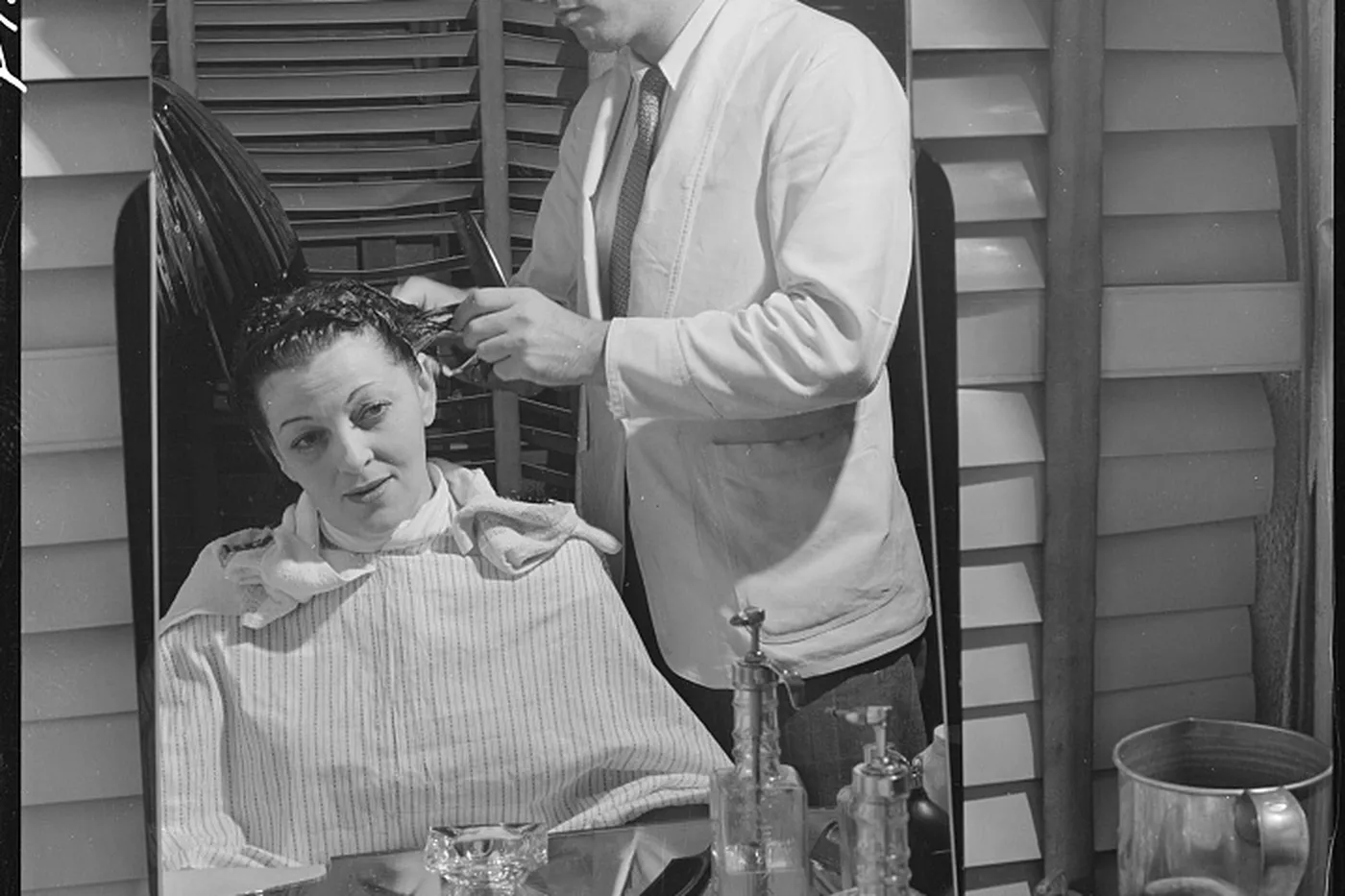
Mirror photograph, Library of Congress, Farm Security Administration, public domain, item 2017835337.
What the guest actually bought.
A guest sits down for a cut. On the way out they take a bottle. They also leave a tip on the card. The front screen is happy to print one number. That number is convenient, and it is also how a month goes wrong. The cut is the shop's service. The bottle is a product sale. The tip belongs to the person who earned it, or it is waiting to be paid out. Three events. One piece of paper.
The first object on the table is the sales receipt. Software names can wait. If the receipt has one line, we ask what that line was supposed to hold. If it has three lines and two of them use the same item, the item list is the next page. The receipt is only as honest as the buttons behind it.
A card fee the shop adds onto a product can be part of the price the state taxes. What the processor keeps is its own cost, sitting beside the sale rather than inside it. It does not shrink the sale. Owners often net the deposit and call the smaller number the day's sales. The day sheet still has the larger number. The gap looks like missing cash. It is the fee, sitting in the wrong place.
Where the tip goes.
A tip the guest adds is not revenue of the shop. When the card deposit includes it, the deposit is larger than sales. The extra has to land in tips payable, or go straight out to the person who earned it, on the same day the books record the deposit. If it lands in service income, the shop looks busier than it was, and payroll never hears about the tip.
Cash tips are quieter and easier to lose. The drawer is short by the amount paid out, or the day sheet shows a tip the bank will never see. Both can be right. They have to be written down. When tips in a month reach twenty dollars, the employee tells the employer by the tenth of the following month. That report belongs with payroll. The sales return does not ask for it.
A service charge the shop requires is different. The guest did not choose it. It is wages, and it follows the wage path the provider already runs. Mixing that charge into a tip payable account makes both numbers wrong. We separate them on the item list before anyone argues about the credit that can follow reported tips.
The day has to meet the bank.
At the end of the day someone closes the drawer. That close is the document we trust first. Then we look at what the processor sent and what the bank took. If those three disagree, the month is open. A rule in the bank feed that categorizes every processor deposit as sales will hide the disagreement until tax time. We would rather see the disagreement on the day it happened.
Read how one item fails this ticket or how tips meet the day sheet.
Name the line that shared.
Tell us which of the three got buried. Leave the password off.

You will be talking to the Steven Palmieri practice.