Beauty and Wellness Business QuickBooks Cleanup Tips against the day sheet.
The processor deposit is one number. The day had sales and tips. Those are not the same number.
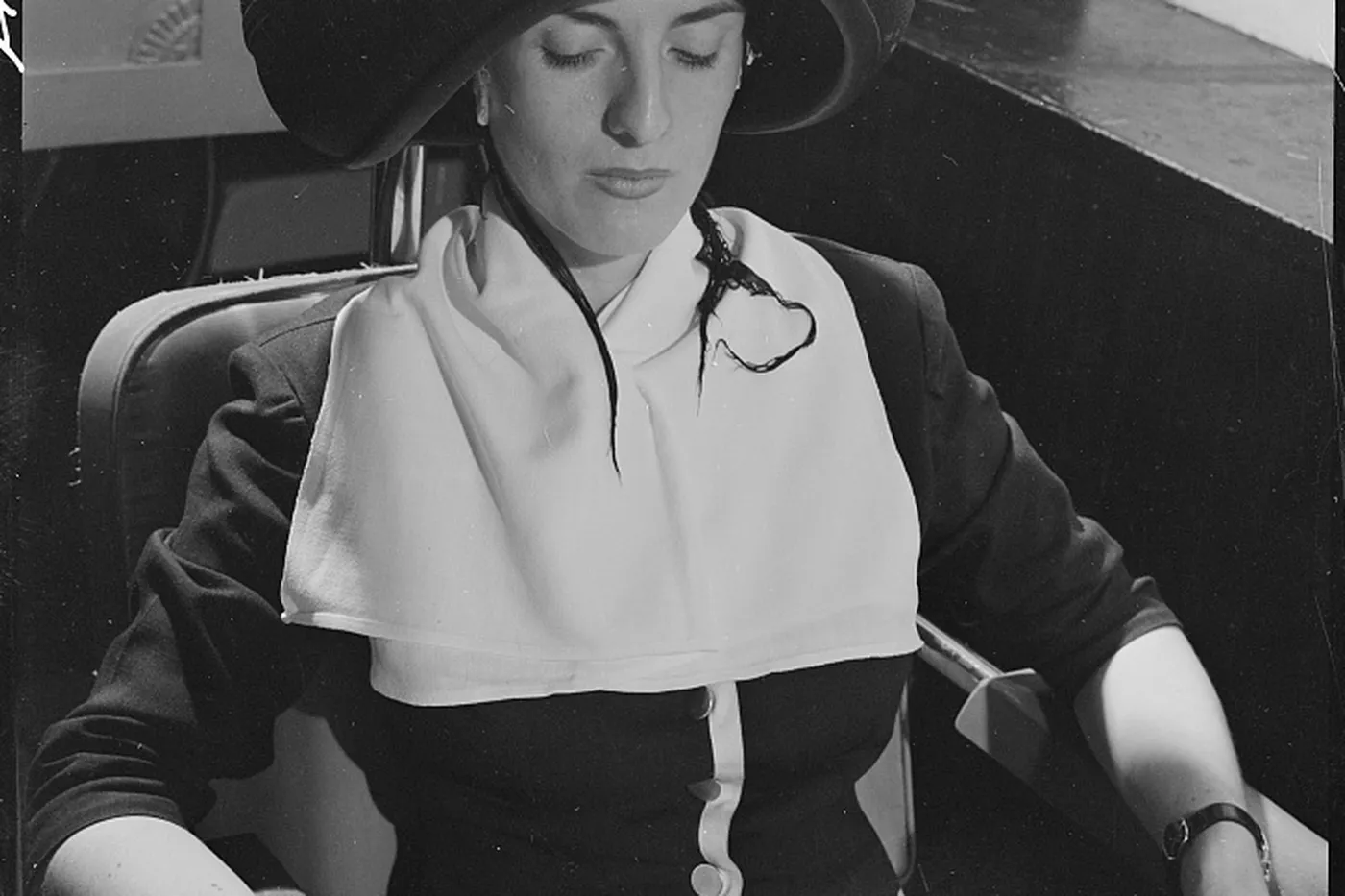
Dryer chair photograph, Library of Congress, Farm Security Administration, public domain, item 2017835364.
Three numbers that like to blur.
Charged tips ride inside the card batch. Cash tips leave through the drawer. The day sheet is the only page that saw both while they were still fresh. If the day sheet is a scribble, the file will invent a match later, and the invention will be wrong in a confident way.
We ask for the day sheet before we ask for a bank rule. A rule can sort a clean deposit. It cannot remember a tip that was paid out in cash at 7 in the evening. The person who closed the drawer can. Write it down the same night, and the month stops arguing with itself.
When the deposit hits the bank, the sales portion feeds service and product. The tip portion feeds tips payable, or it pays out the same day. Leaving the tip inside sales makes the shop's income too high and the payroll report too low. The two errors hide each other until a form asks for tips and the income statement tells a different story.
What gets reported, and when.
The monthly tip note is due by the tenth when that month's tips reach twenty dollars. Charged tips the shop pays out are part of that. The report is how payroll knows the wages. It is also how any later credit that follows employer tax on those tips has something to attach to. If the tips were never reported to the shop, there is nothing for that credit to hold.
A mandatory service charge is wages from the start. It is not a tip, and it does not wait for the tenth. The item on the ticket should say so. Guests experience it as a tip. The file is not allowed to share that confusion.
For a few tax years, a person who received qualified tips may have a deduction of their own, with a ceiling of twenty five thousand dollars and a phaseout that starts at one hundred fifty thousand dollars of modified adjusted gross income, or three hundred thousand on a joint return. The tips have to be voluntary, and they have to be from work that customarily received tips. A service charge the shop requires does not qualify. We mention the shape of the rule so an owner does not promise a stylist a deduction the charge cannot support. We do not compute it on this page.
The ghost in the reconciliation.
Owners describe the same ghost. The processor total never equals the day sheet, so every reconciliation starts with a leftover. The leftover is usually tips paid out, a fee netted against the deposit, or a ticket that stayed in the grouping bin. Name those three and the ghost gets bored and leaves. Ignore them and every month opens with the same apology.
This is the national version of a problem that does not care where the shop is. A card batch is a card batch. The day sheet either saw the tip or it did not. We work from the sheet, the batch, and the bank, on a video call if that is how the file is shared.
The ticket page walks the three events. Start there if the receipt itself is the blur.
Say what the deposit buried.
Describe the gap. Do not paste a batch total.

You will be talking to the Steven Palmieri practice.